



Living in South Florida means enjoying warm weather, vibrant communities, and beautiful coastlines—but it also means preparing for intense storm seasons. Homeowners in Miami and Broward know that heavy rain, tropical storms, and seasonal hurricanes can arrive quickly and cause severe water damage in a matter of minutes. The key to reducing costly repairs and protecting your home lies in understanding water damage restoration Miami-Broward, recognizing early warning signs, and knowing what to do when flooding occurs.
Zebedee Group, a trusted leader in water damage restoration and cleaning services, has helped thousands of South Florida homeowners restore and protect their properties. As storm season approaches, preparation is not optional—it’s essential.
Why Storm Season Puts Miami–Broward Homes at High Risk
South Florida’s geographic location makes it especially vulnerable to extreme weather. Even a moderate storm can overwhelm drains, push water into crawlspaces, or cause roof leaks.
Common storm-season risks include:
-
Wind-driven rain penetrating windows and doors
-
Roof damage leading to interior leaks
-
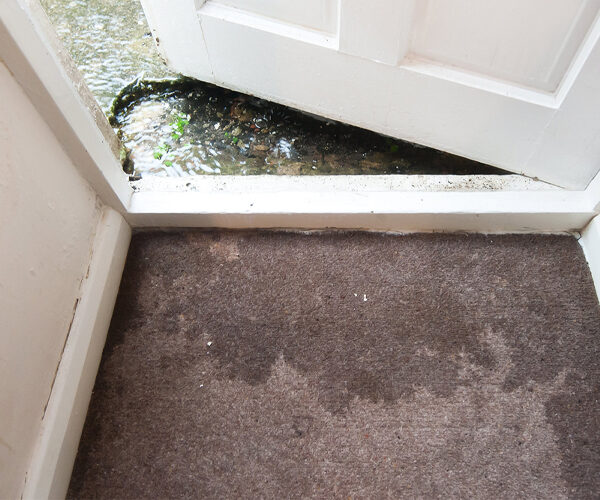
Flooded streets pushing water into garages and first floors
-
Overflowing gutters and clogged drains backing water into homes
The faster water enters your home, the faster mold can develop—sometimes within 24–48 hours. This is why immediate restoration and proper moisture removal are crucial.
Understanding Water Damage Restoration
Water damage restoration is more than simply removing standing water. It is a detailed, step-by-step process designed to dry, clean, sanitize, and restore affected areas to their safest condition.
A professional water damage restoration service follows these essential stages:
1. Emergency Response & Inspection
Storm water can carry bacteria, chemicals, and contaminants. As soon as water damage occurs, trained technicians inspect your home’s affected zones, identify the water source, and evaluate safety risks.
2. Water Extraction
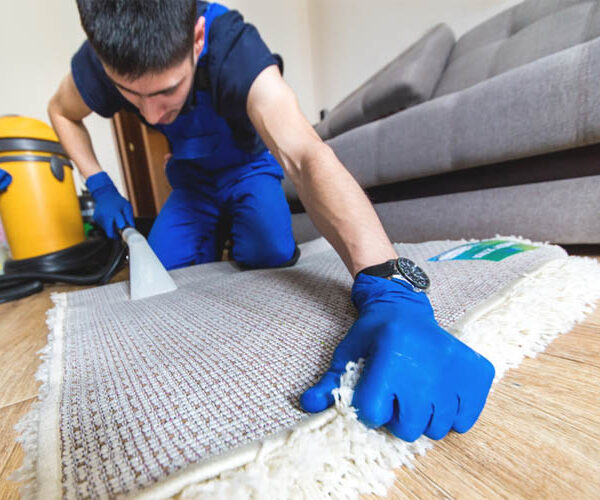
Large-capacity pumps, vacuums, and industrial removal tools extract standing water quickly to prevent structural weakening, mold growth, and further property loss.
3. Drying & Dehumidification
This is a critical stage many homeowners underestimate. Walls, floors, furniture, and even structural framing can absorb moisture. High-powered air movers and dehumidifiers ensure all hidden moisture is removed.
4. Cleaning & Sanitizing
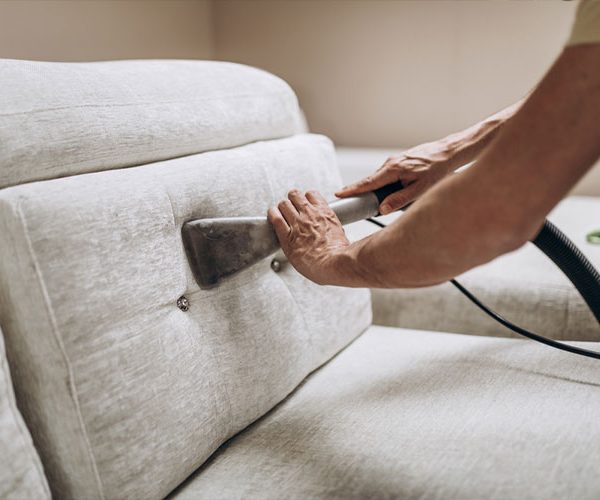
Stormwater often contains contaminants. Professional-grade cleaning solutions remove bacteria, mildew, dirt, and odors. Carpets, upholstery, and surfaces are disinfected to restore a safe indoor environment.
5. Restoration & Repairs
The final step may include:
-
Replacing damaged drywall
-
Repairing flooring
-
Restoring ceilings
-
Repainting affected rooms
-
Fixing weakened structures
Zebedee Group specializes in full-service restoration, ensuring your home looks and feels like new again.
Warning Signs of Hidden Water Damage
Not all water damage is immediately visible. Before and after storm season, watch for:
-
Musty odors indicating mold growth
-
Discolored walls, bubbling paint, or soft drywall
-
Warped or buckling floors
-
Sudden spikes in humidity indoors
-
Rust on metal fixtures or door frames
-
Visible mold around baseboards or ceiling corners
Catching these symptoms early can save you thousands in repairs.
Why You Should Never Delay Restoration After a Storm
Delaying water damage restoration—even for a day or two—can lead to:
Rapid Mold Growth
Mold spreads quickly in humid climates like Miami–Broward, threatening your home’s structure and your family’s health.
Structural Damage
Moisture trapped in walls, beams, or flooring can weaken the integrity of your home.
Electrical Hazards
Water and wiring do not mix. Professionals must inspect affected areas to prevent fire or shock risks.
Increased Repair Costs
The longer water sits, the more damage it causes. Early restoration means faster, less expensive repairs.
5 Steps Homeowners Should Take Before Storm Season
Preparing ahead can dramatically reduce storm-related losses:
1. Inspect Your Roof
Fix cracked tiles, missing shingles, or gaps where water can seep in.
2. Clear Gutters and Downspouts
Debris accumulation is a major cause of backup flooding.
3. Seal Windows and Doors
Apply fresh caulking or weather stripping to vulnerable openings.
4. Test Your Sump Pumps (if applicable)
Ensure they function properly before heavy rainfall.
5. Save Zebedee Group’s Emergency Contact
When water damage begins, every minute matters. The faster you call, the more your property can be saved.
When to Call Zebedee Group
If you notice any signs of water damage—or if a storm has affected your property—contact Zebedee Group immediately. Their certified restoration team responds quickly to prevent further damage, eliminate moisture, and restore your home with precision and care. Call 954-414-5762
Frequently Asked Questions
1. How soon should I call for water damage restoration after a storm?
Immediately. The first 24 hours are critical for preventing mold and structural damage.
2. Can I remove water myself?
Minor spills can be wiped up, but stormwater requires professional extraction and dehumidification to ensure full drying and sanitization.
3. How long does the restoration process take?
Depending on the extent of the damage, full restoration can take anywhere from 2–7 days.
4. Does homeowners insurance cover storm-related water damage?
Many policies do, but coverage varies. Zebedee Group can assist with documentation for insurance claims.

Recent Comments