


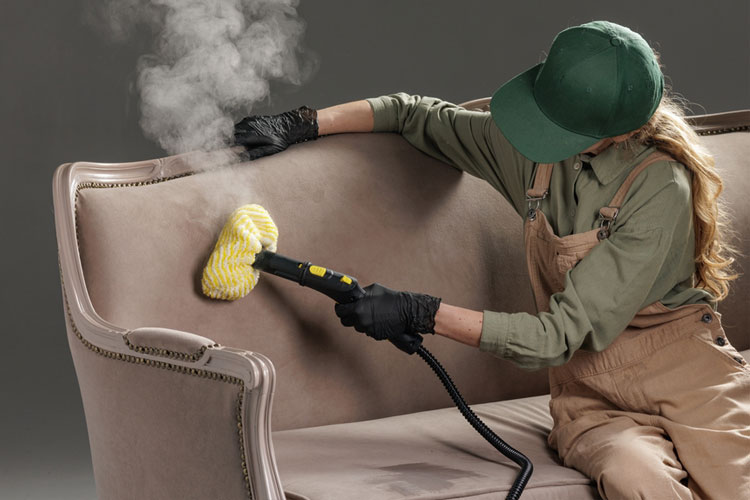
Furniture is one of the most used and most overlooked parts of a home when it comes to maintenance. Sofas, chairs, ottomans, and sectionals collect dust, body oils, allergens, food particles, and airborne pollutants every day. While regular vacuuming helps, it doesn’t remove deeply embedded contaminants. That’s where Professional Upholstery Cleaning becomes essential.
Homeowners often ask the same question: how often is enough? The answer depends on lifestyle, household activity, and fabric type. Understanding the right schedule for Professional Upholstery Cleaning helps preserve your furniture, protect indoor air quality, and keep your home looking fresh.
Why upholstery needs more than surface cleaning
Upholstered furniture acts like a filter. Fabrics trap airborne particles such as dust, pollen, and pet dander. Over time, these particles settle deep into the fibers where household vacuum cleaners can’t reach. Spills and skin oils also break down fabric fibers, leading to dullness, odor buildup, and premature wear.
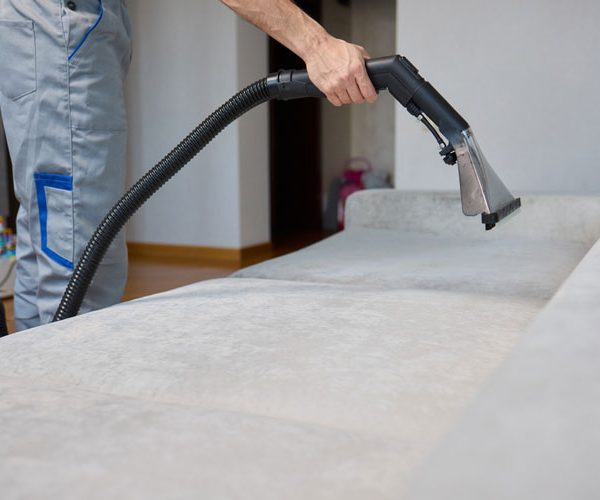
Professional Upholstery Cleaning uses specialized equipment and solutions designed to lift contaminants from within the fabric, not just the surface. This deep-cleaning process restores appearance while also improving hygiene and extending the lifespan of your furniture.
General cleaning frequency for most households
For the average home without unusual conditions, a routine schedule works well. Most professionals recommend deep cleaning upholstered furniture at least once every 12 to 18 months. This keeps buildup under control before it becomes visible or causes fabric damage.
Homes with low foot traffic, minimal entertaining, and no pets may lean toward the longer end of that range. However, this baseline changes quickly depending on household factors.
When you should clean upholstery more often
Certain conditions increase the need for Professional Upholstery Cleaning because fabrics accumulate contaminants faster.
- Homes with pets that shed fur, dander, and track in outdoor debris
- Households with children, where spills and stains happen more frequently
- Family members with allergies or respiratory sensitivities
In these environments, scheduling service every 6 to 12 months helps maintain healthier indoor conditions and prevents permanent staining.
How lifestyle affects your cleaning schedule
Your daily habits matter. Homes that host guests often or use living room furniture as the primary relaxation space will see faster wear. Eating on the couch, frequent snacking, and beverage spills introduce sugars and oils into the fabric. These residues attract dirt and create odors if not properly removed.
Smoking indoors, even occasionally, also impacts upholstery. Smoke particles cling to fabrics, contributing to discoloration and lingering smells that surface cleaning can’t eliminate.
If any of these apply, a more frequent Professional Upholstery Cleaning routine will keep furniture from aging prematurely.
Signs your upholstery needs cleaning now
Even with a planned schedule, visual and sensory cues can indicate it’s time for service.
- Fabric looks dull, darkened, or uneven in color
- Lingering odors remain even after vacuuming
- Allergy symptoms worsen when spending time in certain rooms
These signs suggest buildup beneath the surface that requires professional attention.
Fabric type also matters
Not all upholstery materials respond the same way to dirt and wear. Natural fibers like cotton and linen may absorb stains more readily, while synthetic blends can trap oils. Delicate fabrics often require specialized techniques to avoid damage.
Professional technicians evaluate the material before cleaning to ensure the correct method is used. This protects texture, color, and durability while delivering a deep clean.
The long-term value of routine upholstery care
Replacing furniture is expensive. Regular Professional Upholstery Cleaning protects your investment by preventing fiber breakdown and color fading caused by soil abrasion. Dirt acts like sandpaper inside the fabric, slowly wearing it down with everyday use.
Beyond appearance, routine care contributes to healthier indoor air. Removing trapped allergens and contaminants reduces the load circulating through your home, especially important in sealed, climate-controlled environments.
Clean upholstery also enhances overall home aesthetics. When furniture looks refreshed, the entire room feels cleaner and more inviting.
Why DIY methods aren’t enough
Store-bought cleaners and rental machines often lack the power to remove deep contaminants. Incorrect products can also leave residue behind, attracting even more dirt. Over-wetting fabric during DIY attempts may lead to mildew growth or shrinkage.
Professional services use industry-grade equipment that balances effective extraction with proper drying, reducing the risk of damage while achieving superior results.
Making Professional Upholstery Cleaning part of home maintenance
Homeowners typically schedule carpet cleaning and HVAC maintenance without hesitation, but upholstery care should be part of that routine as well. Treating it as preventive maintenance rather than a reaction to visible stains keeps your home consistently clean and extends the life of your furnishings.
When cleaning is done on a regular schedule, the process is easier, faster, and more effective because buildup never reaches extreme levels.
Professional care from Zebedee Group
Zebedee Group provides specialized upholstery cleaning services designed to restore fabric appearance and improve home hygiene. Their trained technicians use professional-grade equipment and tailored cleaning methods for different materials, ensuring safe and effective results. By offering reliable Professional Upholstery Cleaning, Zebedee Group helps homeowners protect their furniture investment, maintain a healthier indoor environment, and keep living spaces looking their best. Call 954-414-5762
Frequently Asked Questions
How long does upholstery take to dry after professional cleaning?
Drying time varies by fabric and humidity, but most furniture is ready for use within a few hours.
Can professional cleaning remove old stains?
Many older stains improve significantly, though results depend on fabric type and how long the stain has set.
Is upholstery cleaning safe for delicate fabrics?
Yes, professionals assess the material first and use appropriate methods to prevent damage.
Does upholstery cleaning help with odors?
Yes, deep cleaning removes odor-causing particles trapped within the fabric fibers.

Recent Comments