


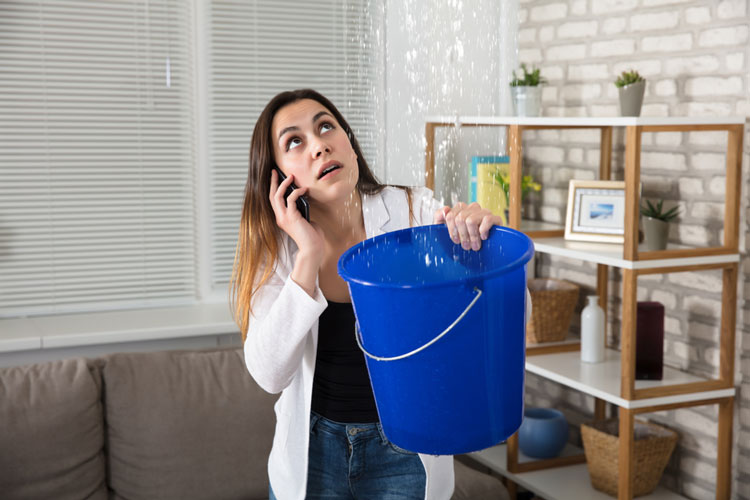
Storm season in South Florida is not just a forecast—it’s a reality that impacts homeowners every year. In the Miami-Broward region, heavy rain, tropical storms, hurricanes, and sudden flooding can cause water intrusion fast, even in homes that appear well-sealed and protected. When it happens, time becomes your biggest advantage. The faster you respond, the more you can reduce structural damage, prevent mold growth, and protect the value of your property.
That is why understanding Water Damage Restoration Miami Broward services before the storm season begins is so important. When homeowners wait until water is already spreading through walls or soaking flooring, restoration becomes more expensive, more invasive, and more stressful. Preparation and education help you act quickly and make informed choices under pressure.
Why Miami-Broward homes face higher water damage risk
South Florida’s weather is only part of the challenge. The real problem is the combination of intense storm rainfall, high humidity, low-lying terrain, and aging infrastructure in many neighborhoods. During heavy storms, drainage systems can become overwhelmed. Canals rise quickly. Power outages shut down sump pumps and A/C units. Wind-driven rain pushes water into gaps around windows and doors, even when there’s no obvious roof damage.
In many Miami-Broward homes, water damage doesn’t come from dramatic flooding alone. It can begin as small intrusions in attics, behind walls, under baseboards, and beneath tile. The warm environment accelerates mold growth, meaning even a “minor” leak can become a serious issue within 24 to 48 hours.
For homeowners, that means being proactive matters. Knowing what happens during the restoration process—and how to react quickly—can reduce damage and protect your family’s health.
What counts as water damage (and why it matters)
Water damage isn’t just standing water. In storm season, damage can show up in ways homeowners don’t immediately recognize. For example, water can wick upward into drywall and insulation. It can saturate subflooring under tile or laminate. It can soak into cabinetry, creating long-term structural warping and odor issues. It can also contaminate air quality and increase allergens inside the home.
The type of water also matters. Rainwater and stormwater may appear clean, but once it mixes with soil, sewage overflow, or debris, it becomes contaminated. That impacts both safety and restoration requirements.
Professional Water Damage Restoration Miami Broward teams evaluate these conditions to determine the safest approach, the correct drying method, and whether demolition is needed to prevent future mold issues.
What to do immediately after water enters your home
The first minutes after water damage can make a major difference. If it’s safe, stop the water source when possible. If water entered through a roof opening or broken window, reduce exposure by safely covering areas if conditions allow. If flooding is severe, prioritize safety above everything.
After the initial safety steps, documentation becomes critical. Take photos and video of all affected areas before moving items. This protects you during insurance claims and creates a record of what happened.
If the damage is storm-related, notify your insurance company as soon as possible, but do not delay mitigation while waiting. Restoration isn’t just repair—it’s loss prevention. The goal is to stop damage from spreading, stop mold from forming, and stabilize the structure.
Why drying the surface is not enough
A common mistake homeowners make is assuming that if the surface looks dry, the problem is solved. Storm water can soak behind walls, under flooring, and into insulation. These hidden pockets of moisture are exactly where mold starts.
Even worse, trapped moisture can lead to wood rot, drywall deterioration, and recurring odors that seem impossible to remove. This is why restoration teams use moisture meters, infrared technology, and professional drying equipment. It’s not about “drying the room,” it’s about drying the entire structure.
If you want restoration done correctly, it must include both moisture detection and controlled drying—not just fans from a hardware store.
Understanding the water damage restoration process
When you call a professional restoration provider, the process typically begins with an inspection and moisture mapping. This determines how far water spread and what materials are affected. Next comes water extraction if standing water exists. After that, the drying phase begins, using dehumidifiers and high-airflow equipment designed to pull moisture out of building materials safely.
Sanitization and antimicrobial treatment may follow, especially if water contamination is suspected. In storm season, this step is critical because stormwater often carries bacteria and contaminants.
Finally, depending on the severity, repairs may include drywall replacement, flooring work, baseboards, painting, or reconstruction.
The advantage of professional restoration is that it is structured, measurable, and designed to prevent long-term consequences—especially mold.
Mold: the hidden storm-season threat
For Miami-Broward homeowners, mold is one of the most expensive and disruptive outcomes of water damage. Mold can begin developing within 24 to 48 hours in a humid environment. Even if you remove visible water quickly, damp drywall and insulation create the perfect breeding ground.
Mold does not just cause odor. It can impact indoor air quality and aggravate asthma, allergies, and respiratory sensitivities. It can also lead to larger repair projects because mold-contaminated materials often must be removed rather than cleaned.
This is where experienced providers like Zebedee Group can make the difference. Water Damage Restoration Miami Broward is not only about drying—it’s about preventing the secondary damage that often costs more than the storm itself.
Insurance tips homeowners should know before storm season
Insurance claims can become complicated after major storms because many homeowners file claims at the same time. Delays happen. Documentation becomes essential. Most policies require you to mitigate damage, meaning you must take reasonable steps to prevent the loss from worsening.
Keep receipts for emergency services. Save invoices from restoration teams. Maintain written notes of conversations with adjusters. Take detailed photos and videos of affected areas, including damaged furniture, flooring, walls, and ceilings.
Also understand that flood damage and storm water damage may be treated differently depending on coverage. Homeowners insurance often excludes flood damage, while wind-driven rain may be covered in certain situations. A restoration provider can help document damage properly, but it’s also wise to review your policy before the season begins.
How to prepare your home before Miami-Broward storm season
Preparation reduces the chances of severe water damage. Homeowners should check roof conditions, inspect window seals, clean gutters and drainage areas, and make sure landscaping slopes water away from the foundation. It’s also smart to identify where shutoff valves are located and to store valuables above ground level during storms.
Just as important: know who you will call if water damage happens. Restoration companies book quickly after storms. Waiting until the last second can mean longer response times and a greater risk of mold.
Zebedee Group recommends identifying a trusted restoration partner early so that when storm season hits, you’re not scrambling for help.
Choosing the right restoration company matters
Not all providers offer the same level of service, equipment, or expertise. The right company will respond quickly, document moisture levels, provide clear communication, and focus on preventing mold and structural damage—not just extracting visible water.
A professional restoration team will also help you understand what is happening and why each step matters. This transparency builds confidence, especially during stressful storm recovery situations.
If your home experiences storm damage, choosing a skilled provider could mean the difference between a manageable restoration and a long-term, expensive repair project. Call 954-414-5762
Frequently Asked Questions
What is the first step homeowners should take after storm water damage?
The first step is to make sure everyone is safe, stop the water source if possible, and document the damage with photos and video before cleanup begins.
How quickly should water damage restoration begin in Miami-Broward?
Restoration should begin as soon as possible—ideally within 24 hours—because South Florida humidity increases the risk of mold growth very quickly.
Does homeowners insurance cover storm-related water damage?
It depends on your policy. Wind-driven rain may be covered, but flood water is often excluded unless you carry separate flood insurance. Always review your coverage before storm season.
Why do professionals use dehumidifiers and moisture meters?
Because water often spreads into walls and subfloors. Moisture meters and dehumidifiers ensure the structure is fully dried, reducing the risk of mold and hidden damage.

Recent Comments